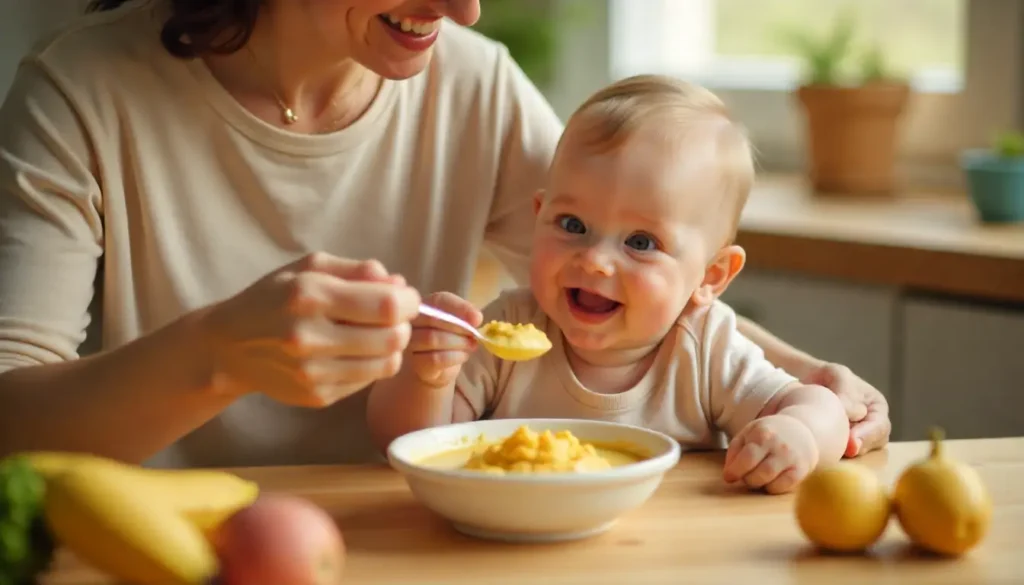
Choosing the right food for your baby can feel overwhelming — especially when labels say “organic,” “natural,” or “non-GMO.” In this complete organic baby food guide, you’ll learn what USDA organic really means, whether organic baby food is safer, how to reduce exposure to heavy metals, and how to choose the best options for your baby’s age.
Many parents turn to organic baby food to limit pesticides and additives, but organic doesn’t automatically mean risk-free. This guide breaks down safety standards, compares organic vs regular baby food, explains first foods for 6+ months, and highlights what to look for when selecting trusted brands.
Whether you’re just starting solids or upgrading your baby’s diet, this guide will help you make confident, informed decisions.
📊 2026 Snapshot: Organic baby food sales hit $2.5B, driven by parents prioritizing low-pesticide nutrition.
Reviewed by: Certified Child Nutrition Specialist
Specializing in infant feeding, allergen introduction, and early-life nutrition.
Last updated: February 2026 to reflect current FDA, USDA Organic, and baby food safety guidelines.
⭐Article Overview
- 🌱 1. What Is Organic Baby Food?
- 🌎 2. Why Organic Matters for Babies (Science-Backed Benefits)
- 📊 3. Organic vs Conventional Baby Food (Quick Comparison Table)
- ⚠️ 4. Understanding Pesticides in Baby Food
- 🏷 5. How to Read Baby Food Labels Correctly (Don’t Make These Mistakes)
- 🍌 6. Best First Organic Foods (6+ Months)
- 🍲 7. Homemade Organic Baby Food (Step-by-Step Guide)
- 🛒 8. Store-Bought Organic Baby Food (Updated for 2026)
- 🏆 9. Best Organic Baby Food Brands (2026 Safety Review)
- 🔐 10. Safety Tips for Feeding Organic Baby Food
- ❌ 11. Common Mistakes Parents Make (Avoid These)
- ❓ 12. FAQs
🌱 1. What Is Organic Baby Food?
Organic baby food is made from ingredients grown without synthetic pesticides, GMOs, fertilizers, or artificial additives. To earn the USDA Organic seal, products must adhere to strict federal guidelines—no shortcuts.
Key USDA Rules for Certification:
✔ No GMO seeds
✔ No synthetic pesticides or herbicides
✔ No artificial flavors, colors, or preservatives
✔ No antibiotics or growth hormones in animal products
✔ At least 95% organic ingredients overall
Learn more from the USDA Organic Standards.
This certification ensures your baby’s first bites are as clean as possible, minimizing exposure to potential irritants.
🌎 2. Why Organic Matters for Babies (Science-Backed Benefits)
Babies’ tiny bodies absorb nutrients—and potential toxins—more efficiently than adults. Their developing brains, organs, and immune systems make them up to 10 times more vulnerable to residues like pesticides. Here’s why switching to organic can make a real difference:
✔ 1. Lower Exposure to Pesticides
A 2025 study from Regeneration International found that organic diets reduce children’s pesticide exposure by up to 89%, associated with reduced exposure risks and supported cognitive development.
✔ 2. No Artificial Additives
Conventional baby foods often sneak in added sugars, thickeners, and preservatives. Organic bans these, promoting gut health from day one.
✔ 3. Better Soil Quality = More Nutrients
Organic farming boosts soil health, leading to produce with 20–40% higher antioxidants and vitamins, per a 2024 meta-analysis in Nutrition Reviews.
✔ 4. No GMOs
Skip genetically modified ingredients, which some parents avoid due to long-term gut health concerns.
External Link: FDA’s Closer to Zero initiative on contaminants.

📊 3. Organic vs Conventional Baby Food (Quick Comparison Table)
| Category | Organic Baby Food | Conventional Baby Food |
|---|---|---|
| Pesticide Exposure | Extremely low (95% residue-free) | Higher, especially in high-risk crops |
| GMOs | Not allowed | Allowed |
| Additives | Highly restricted (no sugars/preservatives) | More common (thickeners, flavors) |
| Heavy Metals | Typically lower (third-party tested) | Can be higher; varies by brand |
| Nutritional Quality | Often higher antioxidants/vitamins | Moderate; potential nutrient dilution |
| Price | Slightly higher ($1.50–$2.50 per pouch) | Lower ($0.80–$1.50 per pouch) |
Data compiled from USDA residue reports, FDA Closer to Zero updates, and third-party brand testing disclosures.

⚠️ 4. Understanding Pesticides in Baby Food
Pesticides aren’t just farm talk—they linger on produce and can build up in a baby’s system. Babies eat the same foods repeatedly, amplifying risks like developmental delays.
🧪 Why Babies Are More Vulnerable
- Small body size means higher relative intake
- Immature detox organs (liver/kidneys)
- Rapid cell growth absorbs residues faster
🌿 The “Dirty Dozen” (Highest Pesticides – Updated 2025)
Prioritize organic for these—USDA tests found 203 pesticides across samples, with 96% contaminated.
If you buy only 10 foods organic, prioritize the Dirty Dozen below.
- Spinach
- Strawberries
- Kale, collard & mustard greens
- Grapes
- Peaches
- Cherries
- Nectarines
- Pears
- Apples
- Blackberries (New in 2025: 93% samples with 4+ pesticides)
- Blueberries
- Potatoes (New in 2025: 90% with chlorpropham residue)
+ High-Toxicity Add-Ons: Bell/hot peppers, green beans
Full EWG 2025 Dirty Dozen Guide – Download their free PDF for your fridge.
🌱 The “Clean 15” (Safe to Buy Non-Organic)
These had the lowest residues—60% pesticide-free.
- Pineapple
- Sweet corn (fresh/frozen)
- Avocados
- Papaya
- Onions
- Sweet peas (frozen)
- Asparagus
- Cabbage
- Watermelon
- Cauliflower (New in 2025)
- Bananas (New in 2025: Lowest toxicity)
- Mangoes
- Carrots
- Mushrooms
- Kiwi
🏷 5. How to Read Baby Food Labels Correctly (Don’t Make These Mistakes)
Labels are your superpower—80% of parents overlook them, per a 2025 survey. Decode like a pro:
✔ 1. Hunt for the USDA Organic Seal
Guarantees 95%+ organic, no GMOs/additives. Skip “made with organic” (only 70% threshold).
✔ 2. Scrutinize the Ingredients List FIRST
Good: “Organic carrots, water.”
Bad: “Carrot puree, cane sugar, natural flavors.”
✔ 3. Dodge Sneaky Additives
❌ Citric acid (stomach irritant)
❌ Fruit juice concentrate (hidden sugar)
❌ “Natural flavors” (vague chemicals)
✔ 4. Spot “Organic But Not Healthy” Traps
Organic doesn’t mean low-sugar—e.g., apple puree + grape concentrate = 15g sugar per pouch. Aim under 5g.
👉 See our full guide to low-sugar organic baby snacks (with brand comparisons)..

🍌 6. Best First Organic Foods (6+ Months)


(American Academy of Pediatrics, updated infant feeding guidance)—when baby shows readiness (sitting up, interest in food). Focus on single-ingredient, low-allergen purees for easy digestion.
🥄 Stage 1 (Single-Ingredient Purees – 6–8 Months)
- Organic sweet potatoes (beta-carotene boost)
- Organic avocados (healthy fats)
- Organic bananas (potassium for growth)
- Organic peas (iron-rich)
- Organic carrots (vitamin A for eyes)
- Organic oats (fiber for tummy)
🥄 Stage 2 (Variety Blends – 8–10 Months)
- Pear + avocado (creamy texture intro)
- Apple + oat (gentle fiber mix)
- Pumpkin + banana (vitamin-packed)
🥄 Stage 3 (Textured Blends – 10+ Months)
- Lentils + sweet potato (protein power)
- Chickpeas + carrot (zinc for immunity)
- Broccoli + peas (folate for brain health)
Download Our Free 100 Foods Before 1 Checklist.
🍲 7. Homemade Organic Baby Food (Step-by-Step Guide)
Homemade saves $500/year and lets you control freshness—no preservatives needed.
⭐ Benefits: Fresher nutrients, customizable allergens, eco-friendly (less packaging).
🛠 What You Need:
- Steamer basket or pot
- High-speed blender
- BPA-free silicone freezer trays (e.g., 2-oz cubes)
🧑🍳 Simple 4-Step Method
- Step 1 : Wash/peel organic produce (use Dirty Dozen list). Chop into even pieces.
- Step 2: Steam 10–15 min until fork-tender (retains vitamins better than boiling).
- Step 3: Puree with breast milk/formula/water for creamy texture. Add spices like cinnamon (no salt/sugar).
- Step 4: Freeze in trays (3 months max); thaw in fridge overnight.
Quick Recipe: 5-Min Avocado Mash
- Ingredients: 1 organic avocado, splash of breast milk.
- Mash ripe flesh; serve fresh. (Yield: 4 servings; 100 calories each.)

More Recipes: Try our Easy Pumpkin Puree or Lentil Veggie Blend.
🛒 8. Store-Bought Organic Baby Food (Updated for 2026)
Convenience wins when life’s busy—opt for cold-pressed or steamed pouches to preserve nutrients. Look for brands that test heavy metals and disclose results. California’s AB 899 law requires disclosure, influencing national standards.
Prioritize: No concentrates, <5g sugar/serving, recyclable packaging.
🏆 9. Best Organic Baby Food Brands (2026 Safety Review)
We reviewed 2025 lab tests from Good Housekeeping and Consumer Reports—focusing on low heavy metals (under FDA’s new 10 ppb lead limit).
| Brand | Best For | Why Parents Love It (2025 Ratings) | Price Range | Heavy Metals Testing |
|---|---|---|---|---|
| Serenity Kids | Protein-rich meats | Grass-fed, low-sugar; 4.9/5 on metals transparency | $3–$4/pouch | Third-party; <5 ppb lead |
| Once Upon a Farm | Fresh fruit/veg blends | Cold-pressed, no fillers; printable checklists | $2.50–$3.50 | Annual FDA-compliant tests |
| Happy Baby Organics | Budget variety | Widely available, organic grains; 4.7/5 affordability | $1.50–$2.50 | Public results; low arsenic |
| Cerebelly | Brain-boosting nutrients | Science-backed (16 key nutrients); subscription perks | $2–$3 | Transparent quarterly reports |
| Little Spoon | Custom subscription | Fresh weekly delivery, allergen-friendly; premium taste | $3.50–$4.50 | Rigorous in-house + external |
| Earth’s Best | Classic purees | EU-compliant metals testing; value packs | $1.20–$2 | Full product scans available |

Good Housekeeping’s Full 2025 Tests.
🔐 10. Safety Tips for Feeding Organic Baby Food
✔ Start with single ingredients to spot allergies
✔ Wait 3–5 days between new foods
✔ Introduce allergens early (peanuts, eggs, wheat) under pediatrician guidance
✔ No added sugar until age 1 (AAP rule)
✔ Skip salt before age 1
✔ Limit rice (arsenic risk)—FDA’s 2025 guidance caps at 100 ppb inorganic arsenic.
✔ Choose brands below 10 ppb lead per FDA’s Jan 2025 update.
Allergen Introduction Timeline.
❌ 11. Common Mistakes Parents Make (Avoid These)
- Assuming “organic = low sugar” (check concentrates!)
- Over-relying on fruit purees (balance with veggies/proteins)
- Not rotating foods (leads to nutrient gaps)
- Weekly rice cereal reliance (heavy metals red flag)
- Introducing cow’s milk before 12 months (digestion issues)
❓ 12. FAQs
Is organic baby food really better?
Yes—it slashes pesticide exposure by 89% and skips GMOs/additives, per 2025 studies.
When should I start feeding solids?
Around 6 months, when baby can sit unsupported and shows interest.
Is homemade better than store-bought?
Both rock—homemade for control/freshness; store-bought for convenience. Mix it up!
Does organic baby food have less sugar?
Not always—scan for fruit concentrates; aim for <5g/serving.
What’s the best organic baby food for heavy metals in 2025?
Serenity Kids or Once Upon a Farm—both under FDA’s 10 ppb lead limit with public tests
What is organic baby food?
Organic baby food is made from ingredients grown without synthetic pesticides, GMOs, artificial additives, or preservatives and must meet USDA organic certification standards.
Ready to stock your pantry? Download our 2025 Organic Baby Food Checklist PDF for on-the-go shopping. Share your fave brand in the comments—what’s worked for your little one?